If your stereo sounds “fine” but never quite disappears into the music, you’re not alone. Most two-channel systems are limited by one or two weak links—not by a missing “audiophile” sticker. At The Smart Tech Pros in Spring Hill, FL, we’re an authorized dealer for brands like Parasound, Bryston, Eversolo, Paradigm, and Anthem, and we also work with lines such as MartinLogan, Marantz, GoldenEar, Rotel, Michi, NAD, Unison Research, and Emotiva (project-focused) when the room calls for them. Our job isn’t to sell you the biggest box—it’s to help you hear what your room and music can actually do.
Below are ten upgrades that routinely move the needle in real living rooms. They’re ranked by impact you’re likely to notice, not by how impressive they look on a rack. Bring your favorite tracks; we’ll help you A/B what matters. (We don’t invent street prices online—ask for current manufacturer MSRP and a quote when you’re ready.)
1. Speaker placement (and a tape measure)
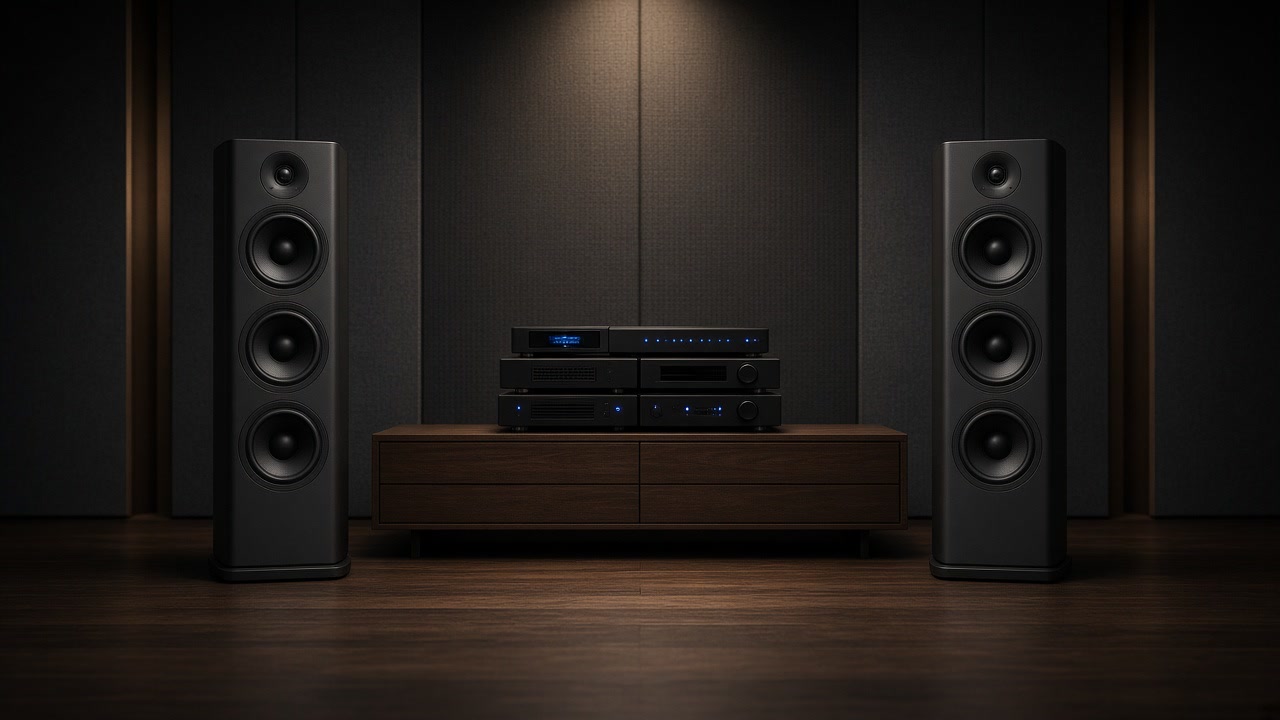
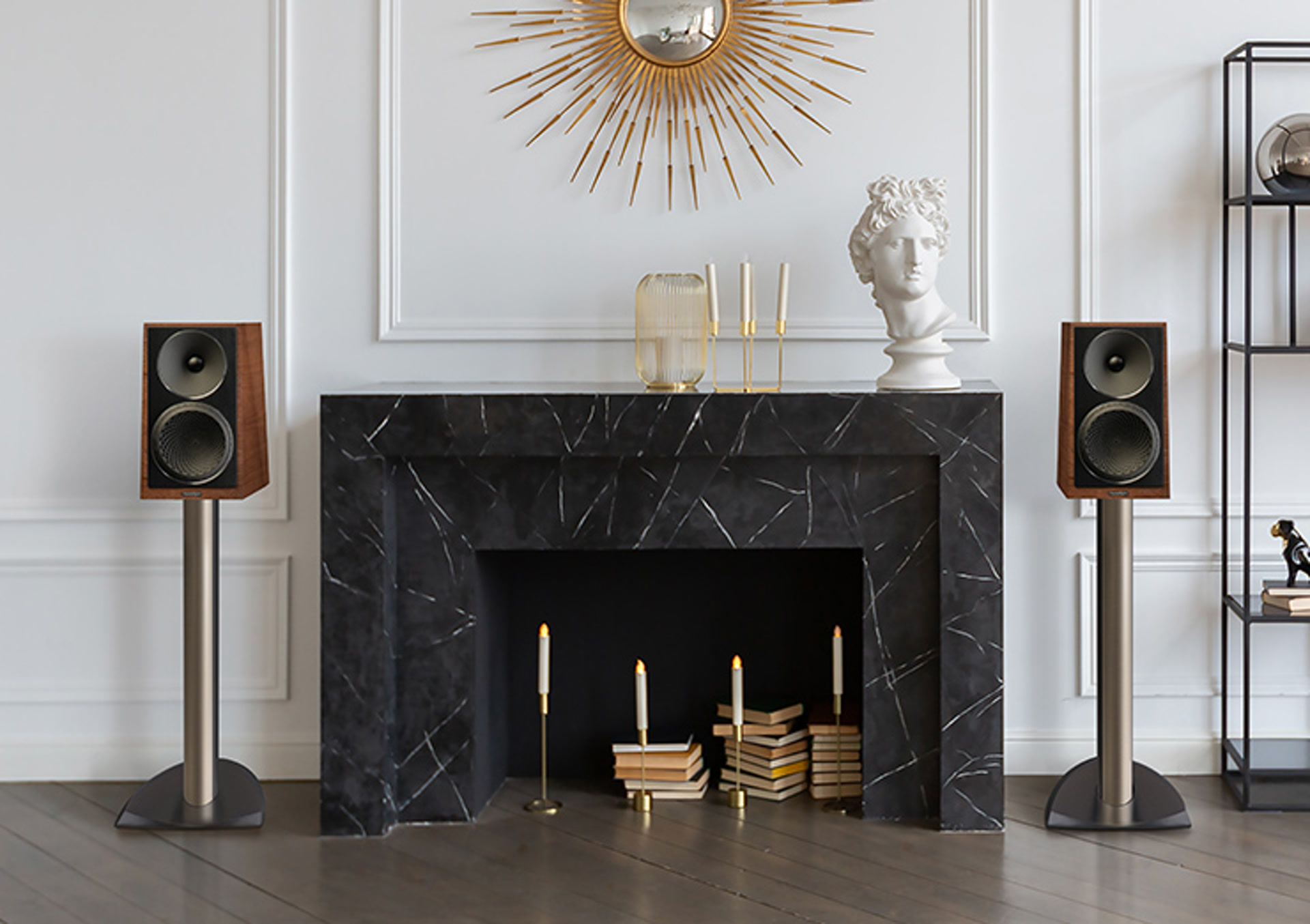
Before you buy anything, move what you already own. Toe-in, distance from the front wall, and equilateral-triangle seating geometry often unlock more clarity than a mid-tier cable swap. Small changes in height and tilt can tighten bass and open the center image. We’ll walk you through a quick placement session in your space—or show you the same principles on our demo floor so you know what “right” sounds like.
2. A stable, quiet power foundation
Dirty or sagging AC doesn’t always sound like hum; sometimes it just softens dynamics and hardens treble. A well-chosen power conditioner or dedicated circuit (when practical) can calm the noise floor so quiet passages stay quiet and peaks stay effortless. This is one of those “boring” upgrades that makes every other piece in the chain sound more expensive. Ask us what fits your rack and your room’s wiring reality—no snake oil, just sensible protection and isolation.
3. Source first: a modern streamer that actually sounds like music
If you’re still feeding the system from a TV app, a stressed laptop, or a tired disc drawer, a dedicated streamer is often the biggest modern leap. We’re fans of the Eversolo class of streamers—think DMP-A6 Gen 2 / DMP-A8-style units that combine serious DAC performance with apps people actually enjoy using. You get gapless playback, high-res support, and a quieter digital front end without needing a computer science degree. Come hear what a proper streamer does with Qobuz, Tidal, or your local files versus “whatever the smart TV spit out.”
4. Speakers that fit the room (not the brochure photo)
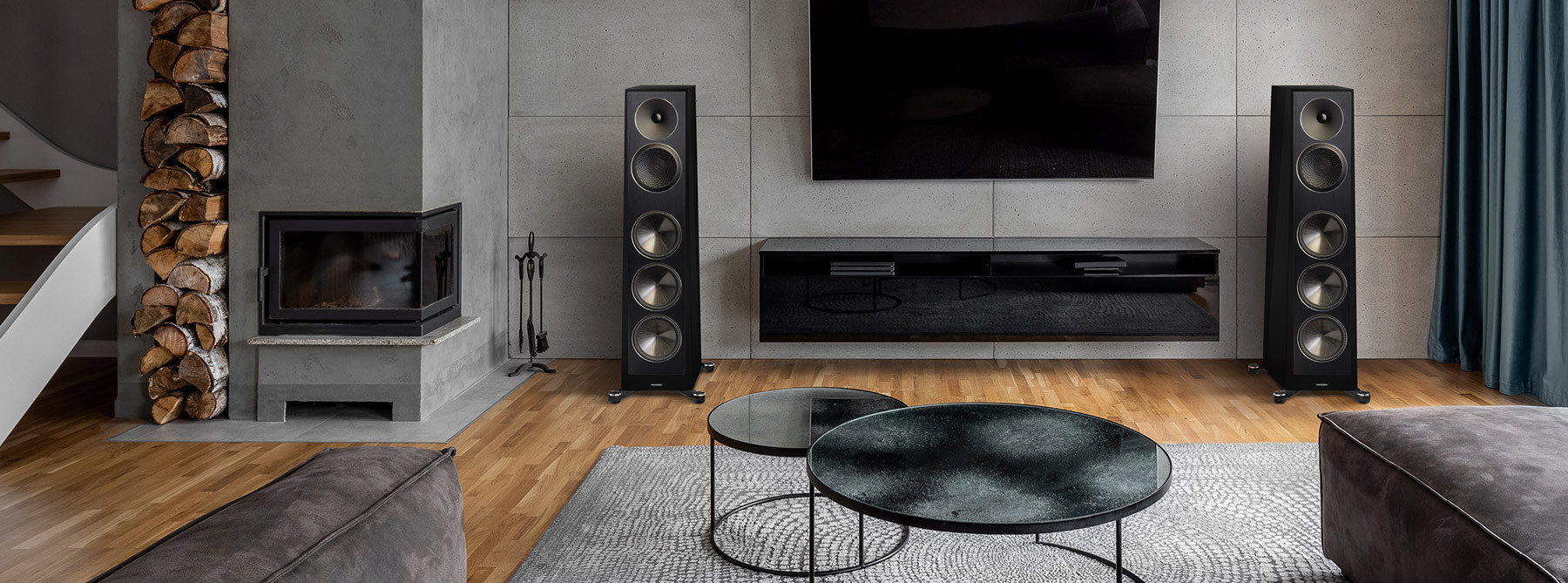
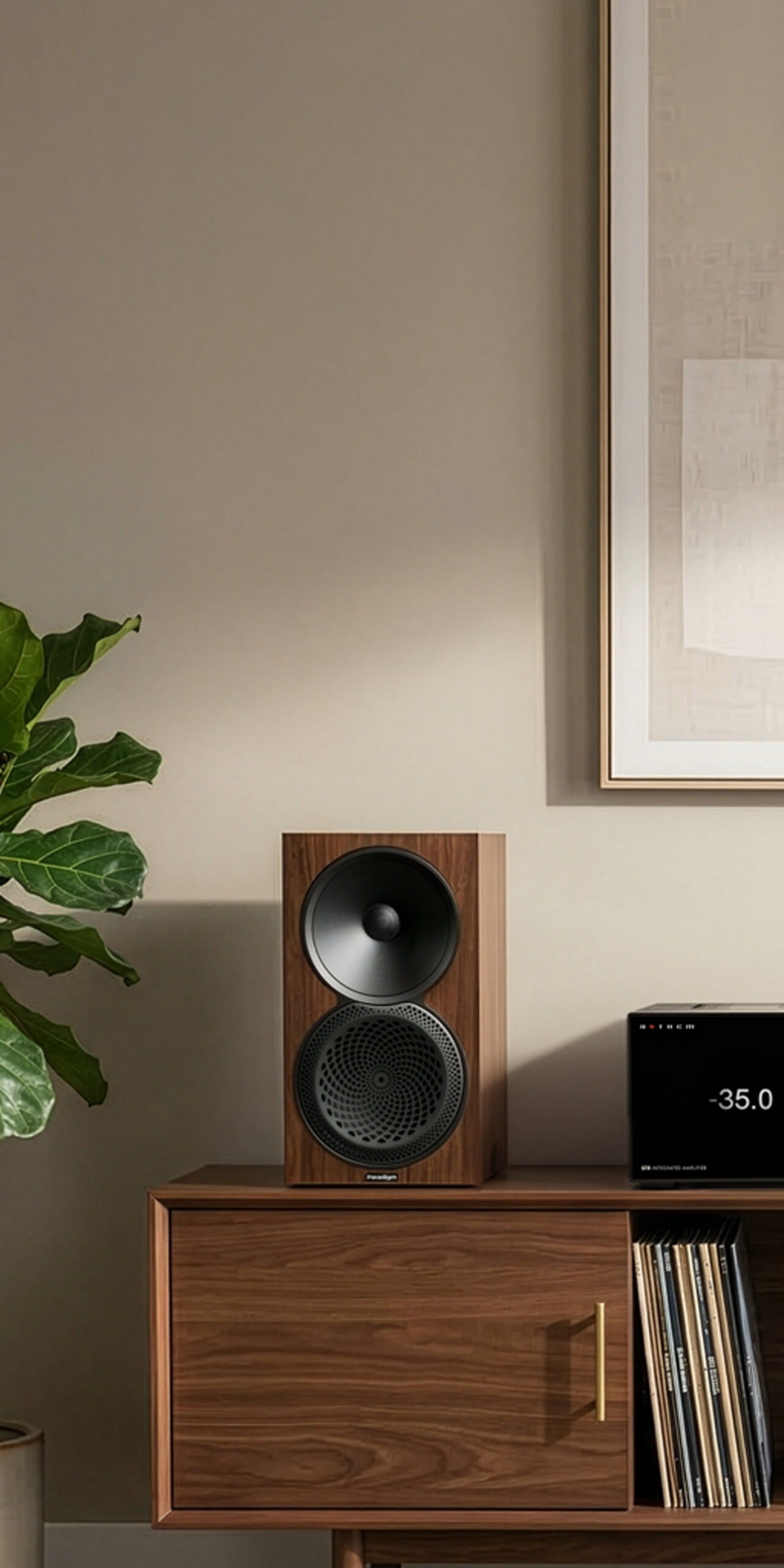
Speakers are the interface between electricity and air. Oversized towers in a small Florida condo can boom; undersized monitors in a big open plan can sound polite and thin. Paradigm covers a wide range of room sizes with designs that prioritize real-world dynamics and clarity, and when a project needs electrostatic sparkle or a different voicing we can talk MartinLogan, GoldenEar, and other lines we carry. The right match is about your room volume, listening distance, and musical diet—not a forum consensus. Ask us what’s in stock for a listen and we’ll match series to your space.
5. Amplification with headroom (so the system stops “trying”)
Clipping and strained current delivery make everything sound harsh long before the volume knob hits dangerous territory. A clean stereo amp—or a strong integrated—with real continuous power and control over the woofers keeps bass tight and midrange relaxed. Parasound Halo amplification and Bryston power amps are classic “buy once, enjoy for decades” categories for two-channel and high-quality home theater crossover systems. You may not need more watts on paper; you may need better watts into your speakers. We’ll demo gain structure so you hear the difference, not just read a wattage number.
6. A better preamp / integrated control center
Volume control, source switching, and the analog stage in front of your amp shape tone and ease more than most people expect. A thoughtful preamp or integrated amp can reduce hiss, improve channel balance, and make every source feel more coherent. If you’re building separates, Parasound’s Halo-class preamps pair naturally with Halo or Bryston power. If you want fewer boxes, a strong integrated path—Parasound HINT-class, Anthem STR, or Marantz/Rotel depending on voicing—keeps the rack simple without giving up musicality. Tell us how many sources you run and whether vinyl is in the picture—we’ll keep the signal path honest.
7. Room treatment that doesn’t look like a recording studio
Florida rooms often mean tile, drywall, and big sliding-glass reflections. A couple of well-placed absorbers at first reflection points, a rug, and bass management (furniture count, corner traps only where needed) can do more for imaging than another electronics swap. Treatment isn’t about deadening the fun out of the room; it’s about controlling slap echo so vocals lock in the center. We design for homes people live in—WAF-friendly options included—so the fix fits Spring Hill living, not a bunker.
8. Subwoofer integration (even in “stereo only” systems)
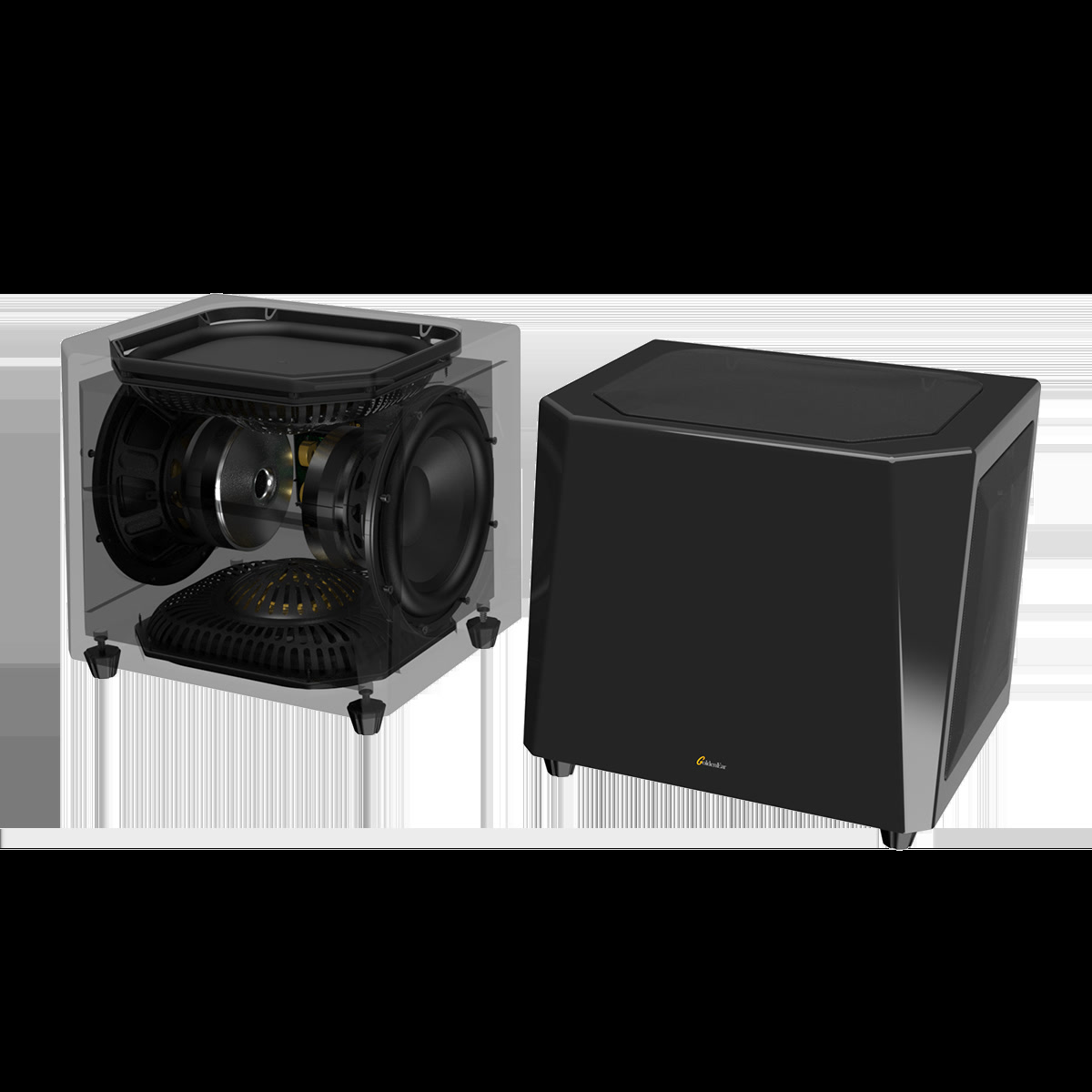
Two-channel doesn’t mean “no sub.” A properly crossed, phase-aligned sub extends low end and lets your main speakers play cleaner in their comfort zone. We integrate music-first subs—Paradigm subwoofers when they match the mains, plus REL-style high-level / stereo-friendly approaches when that architecture fits—so bass supports the mix instead of announcing itself from the corner. The magic is crossover, level, and placement—not max SPL bragging rights. We’ll show you how a sub can make acoustic jazz and electronic music more believable without turning your living room into a nightclub.
9. Acoustic calibration when the room fights you
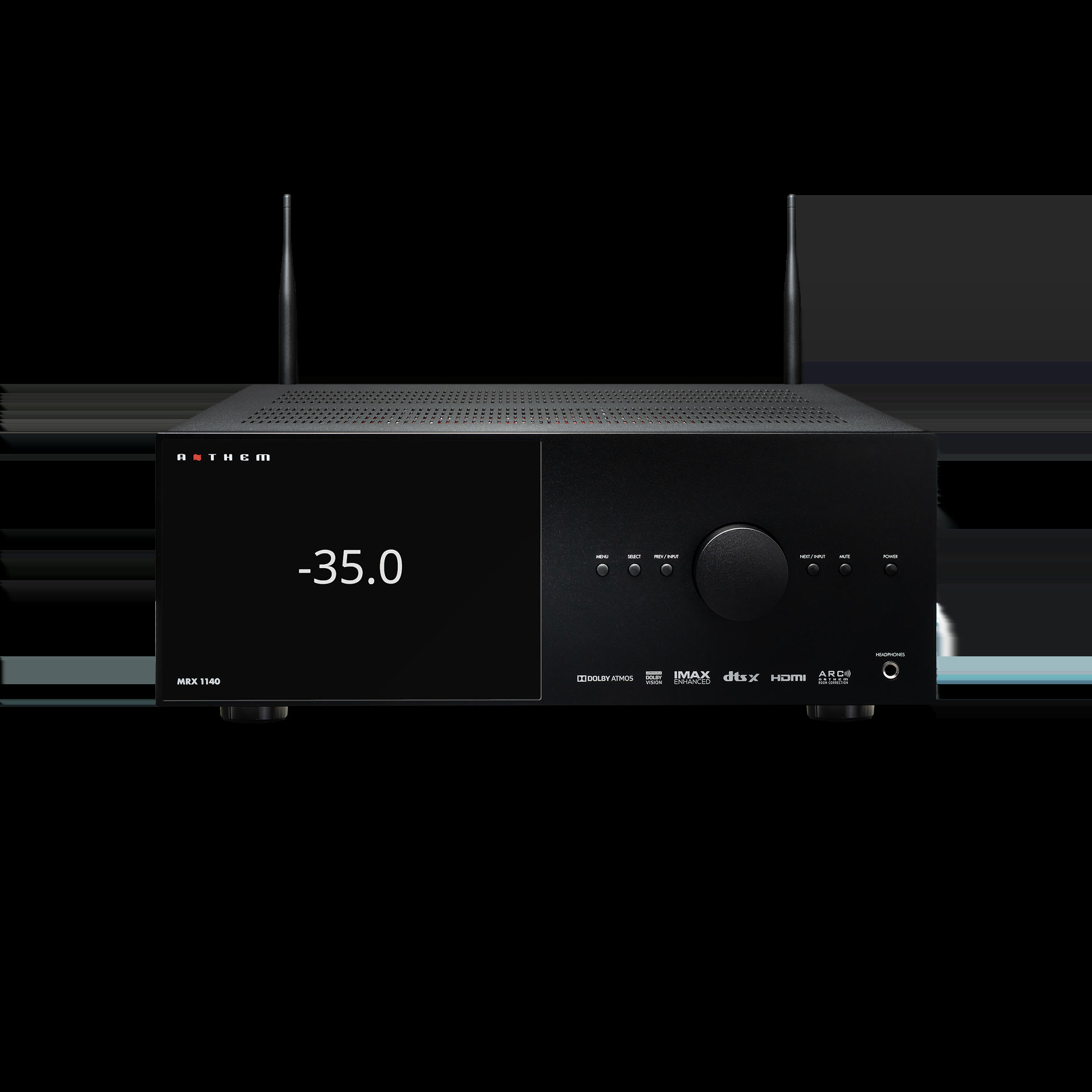
Once speakers and a sub are in play, measurement-based tuning can solve problems ears alone guess at. Anthem’s ARC (Anthem Room Correction) ecosystem is a standout for listeners who want scientific correction without losing the soul of the system—especially if your two-channel setup shares DNA with a surround processor or AVR path. Even pure stereo rooms benefit from knowing where modal peaks live. Think of calibration as finishing school for a system you’ve already chosen carefully, not a Band-Aid for the wrong speakers.
10. The last 10%: cables, isolation, and racks that don’t ring
After the big rocks above, quality interconnects, sensible speaker wire gauged for your run lengths, and vibration control under amps and sources can add polish. This is where restraint matters: we won’t tell you a magical cable replaces a good amp. We will help you avoid thin wire on long runs, loose RCA connections, and racks that sing along with the bass line. Isolation footers and a solid stand under a streamer or turntable are quiet wins. Ask what’s practical for your budget after the system fundamentals are right.
Who this is for
This list is for music lovers in the Spring Hill / Nature Coast / Tampa Bay area who already have a stereo (or a home-theater-leaning system they use for albums) and want upgrades that change what they hear, not just what they own. It’s also for first-time specialty shoppers who are tired of big-box “good enough” and want a dealer who will demo honestly. If you’re building from scratch, these same priorities still apply—we’ll just sequence the shopping list so you don’t overspend early.
Ready to hear the difference?
We’re The Smart Tech Pros—your Spring Hill specialty dealer for two-channel and home theater done right. Authorized for Parasound, Bryston, Eversolo, Paradigm, Anthem, and more. Bring a favorite album, tell us your room size, and we’ll set up a focused demo.
Book a Demo · Call or text 352-819-5644 · visit thesmarttechpro.com · find us on X @SmartTechPros1