Most home theater “problems” aren’t mysterious. They’re living-room geometry, HDMI chaos, and bass that never got a chance. At The Smart Tech Pros in Spring Hill, FL, we hear the same ten mistakes over and over—in open-plan great rooms, Florida rooms with glass walls, and cozy dens that try to do movies and music. We’re a specialty dealer for Anthem, Paradigm, Parasound, Bryston, Eversolo, plus MartinLogan, Marantz, GoldenEar, Rotel, Triad, AudioControl, Origin Acoustics, and more when the project needs them.
This isn’t a dunk on your current setup. It’s a checklist we use on consults so you spend money on fixes that matter—not another gadget that papers over a placement issue. Soft ask at the end: book a demo or a walkthrough, and we’ll map your room before anyone shops a cart.
1. Treating the TV as the acoustic center of the universe
The screen is visual center; the sound center is where dialogue locks between left and right (and a center channel when you have one). Pushing the TV into a corner, hanging speakers wherever the studs were easy, or aligning everything to the fireplace instead of the seats guarantees a wandering voice. We start with seating first, then screen height, then speakers—not the other way around.
2. Center channel too low, too high, or buried in a console
Dialogue lives in the center. A center speaker aimed at shins, aimed at the ceiling, or muffled inside a closed cabinet makes every movie feel like a phone call. Aim the tweeter toward ear height at the main seats. If furniture fights you, we talk stands, on-walls, or a different console strategy—Paradigm centers and matching L/R pairs exist specifically so voices match the mains.
3. Surrounds that are “somewhere behind the couch”
Surrounds aren’t rear noise machines; they’re atmosphere and localization. Too close to ears, too far back, or mismatched in timbre and you’ll either jump out of your seat on every whoosh or hear nothing useful. Height and distance matter as much as “5.1 vs 7.1” marketing. We’ll sketch a layout for your Spring Hill room—including when Atmos heights help and when they’re just extra dust collectors.
4. Bass management left on “Auto / Loud / Good Enough”
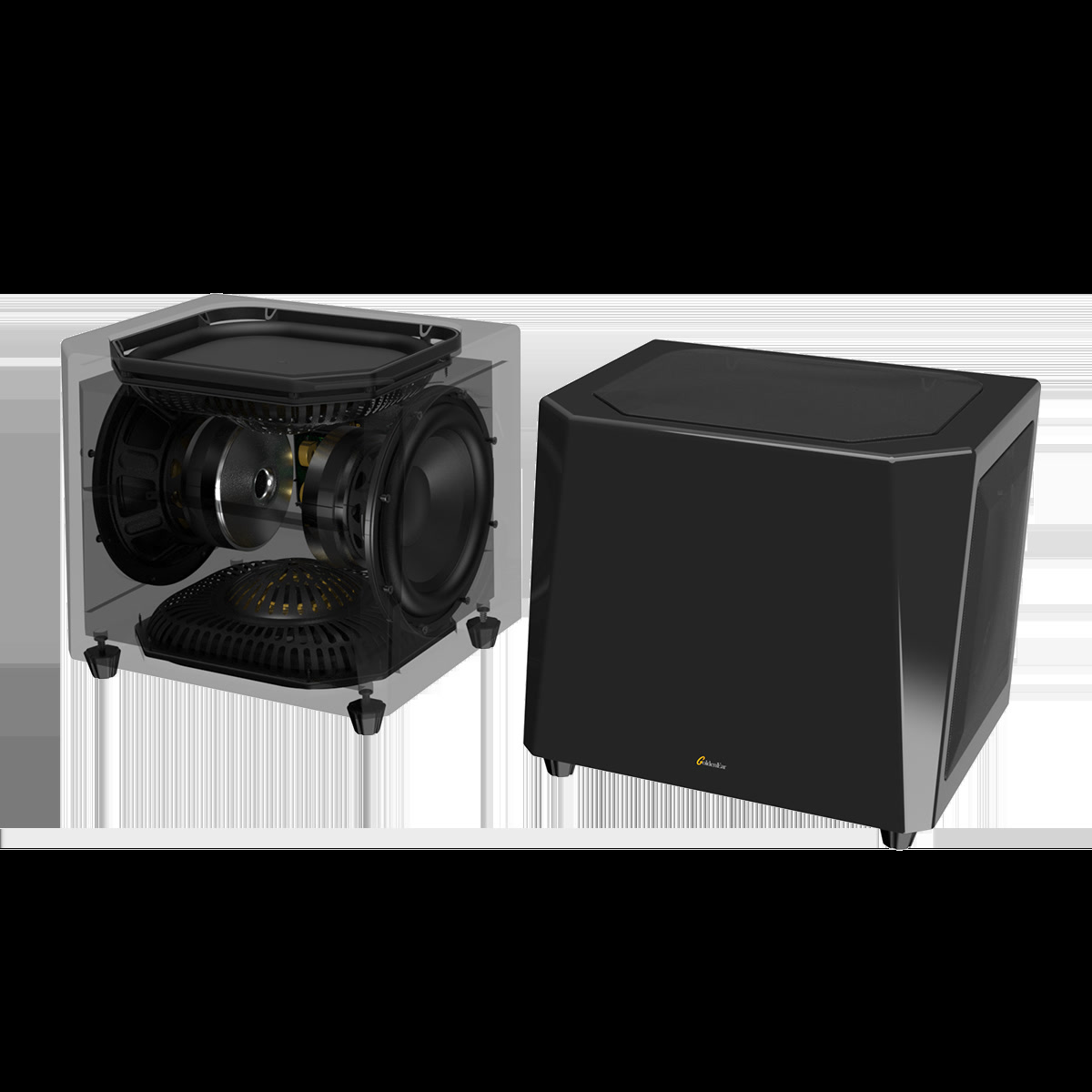
Subs do not auto-magically blend. Wrong crossover, wrong phase, and a single corner placement create one-note boom at the love seat and thin bass at the recliner. Music-first and movie-capable bass needs measurement or at least careful ear work: crossover, level, phase, and sometimes a second sub. We integrate Paradigm subs with matching mains and REL-style high-level approaches when two-channel nights matter as much as Marvel nights.
5. HDMI spaghetti and the “why does it keep handshake-failing?” loop
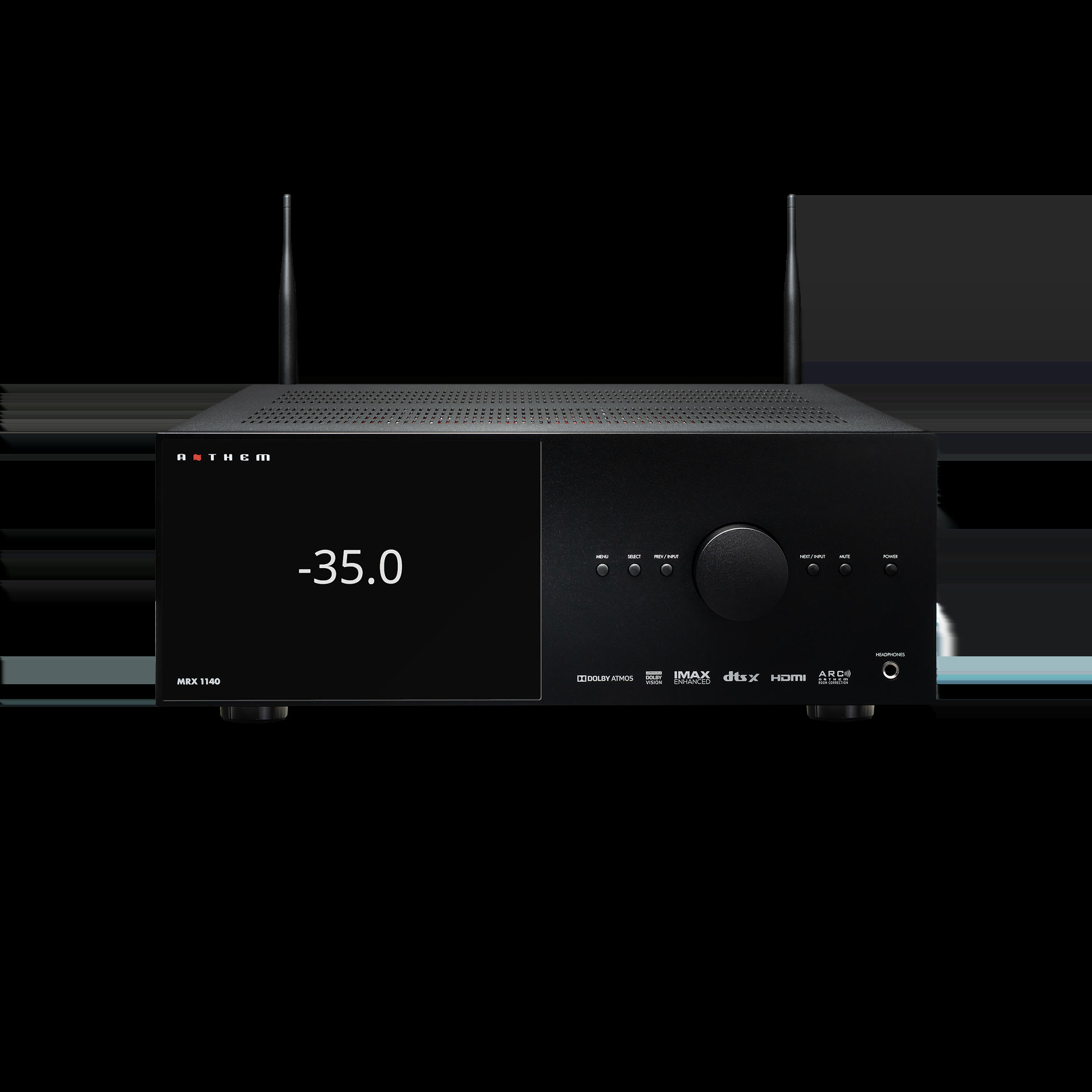
ARC/eARC, soundbars pretending to be receivers, game consoles fighting TV apps, and four remotes later—people blame the AVR when the cable path is the villain. Simplify: one trustworthy eARC path or a proper AVR/processor as the hub, labeled cables, and firmware that isn’t three years stale. Anthem MRX/AVM paths are built for this job; we also demo Marantz when that voicing fits. The goal is “press Play and it works,” not a weekend hobby of unplugging HDMI.
6. Soundbar regret (buying convenience, then wanting a stage)
Soundbars are fine for apartments and secondary rooms. In a primary living room with real seats and real expectations, many owners hit a wall: dialogue still mushy, music still small, upgrades limited. If you’re already shopping “better bar + wireless rears + wireless sub,” you’re often one consult away from a compact real system that still respects décor. We’ll be honest when a bar is enough—and when GoldenEar, Paradigm, or a slim on-wall layout will make you stop apologizing for movie night.
7. Ignoring seating vs. screen geometry
Too close to a huge TV, too far from a modest one, seats off-axis, or a coffee table that forces necks forward—geometry fatigue kills immersion faster than an older receiver. We measure viewing distance and recommend screen size / speaker distance that match how you actually sit on a Wednesday, not a brochure living room.
8. Starving the speakers of clean power
An AVR driving hungry towers into clipping sounds harsh long before it’s “loud.” People upgrade speakers and wonder why rock still hurts. Sometimes the fix is better gain structure, a stereo amp on the fronts (Parasound Halo or Bryston), or an Anthem MCA amp stage on the critical channels. Headroom is comfort. Comfort is what gets the volume knob used.
9. Skipping room correction—or expecting it to invent good speakers
ARC (Anthem Room Correction) and similar systems are fantastic at taming modes and leveling response. They are not magic for a center aimed at the floor or surrounds in the wrong quadrant. We run ARC after placement is sane. Come hear what calibrated Anthem does in a reflective Florida room—then decide if your current “EQ presets” were ever in the same league.
10. Forgetting music (and the streamer) in a “theater only” rack
Half of Spring Hill “theater” customers stream albums five nights a week. If every path runs through a noisy TV app, music never gets a fair trial. A dedicated streamer—Eversolo DMP-class into the AVR’s analog or digital inputs, or into a two-channel amp for serious nights—changes the house. Theater and hi-fi aren’t enemies; bad signal paths are.
A Spring Hill reality check
Tile, drywall, lanai glass, open kitchens, and HVAC vents are normal here. We design for those rooms: rugs and first-reflection control where they’ll actually help, bass that doesn’t anger the neighbors, and racks that stay cool in Florida heat. Local install and calibration beat another Amazon weekend.
Ready for a living-room walkthrough?
Bring photos of the room, a rough seating sketch, and the gear you already own. We’ll prioritize the mistakes above so your next dollar goes further.
Book a Demo · Call or text 352-819-5644 · thesmarttechpro.com · X @SmartTechPros1
Continue reading: Top 10 Questions Before You Buy an AVR · Bring These Tracks for Demo Day