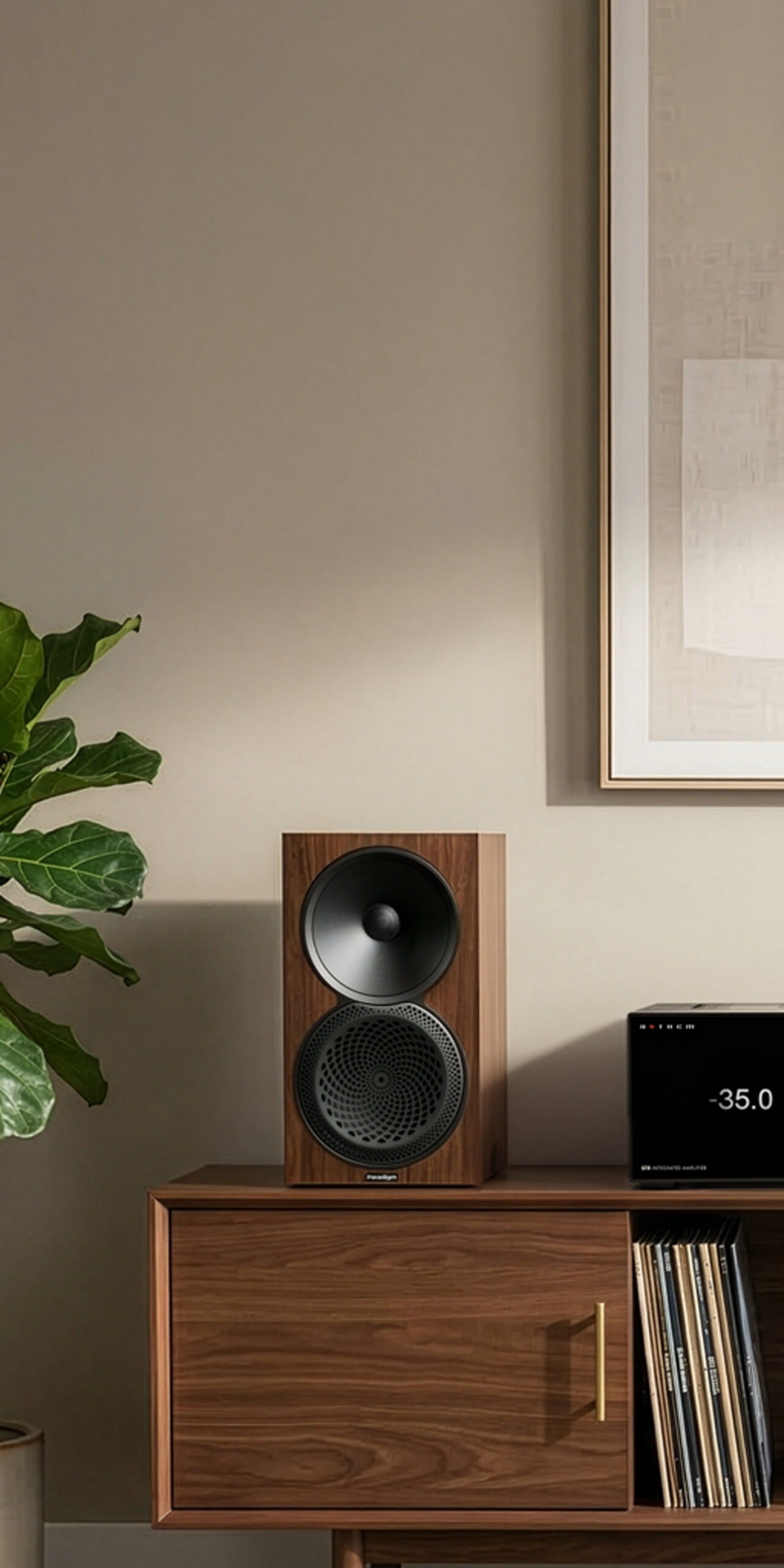
Tight bass is a setup problem more often than a shopping problem. At The Smart Tech Pros in Spring Hill, we help music-first and movie-capable systems get low end that has pitch, speed, and manners—using Paradigm mains and subs when they match, REL-style high-level integration when two-channel purity matters, and calibration tools like Anthem ARC when the room is the enemy. (We’re not an SVS dealer; we won’t pretend otherwise.)
These ten moves calm the boom, keep the peace with neighbors and HOAs, and still leave slam for score and synth.
1. Place the sub for the seat, not the wallpaper
Corner loading is loud and often one-note. Crawl the room (or measure) for smoother response at the main seat, then commit. A few feet of relocation beats a “more powerful” box in the wrong spot.
2. Set crossover so mains and sub share the work
Too high and you hear the sub as a separate speaker; too low and towers strain. Start around the mains’ honest low-frequency limit and tune by ear/measurement. Matching Paradigm speakers + sub keeps voicing coherent.
3. Fix phase before you chase EQ
If kick drums sound hollow or thick depending on the note, polarity/phase is a suspect. Flip phase, try small delay tweaks, listen to a repetitive bass line. This is free performance.
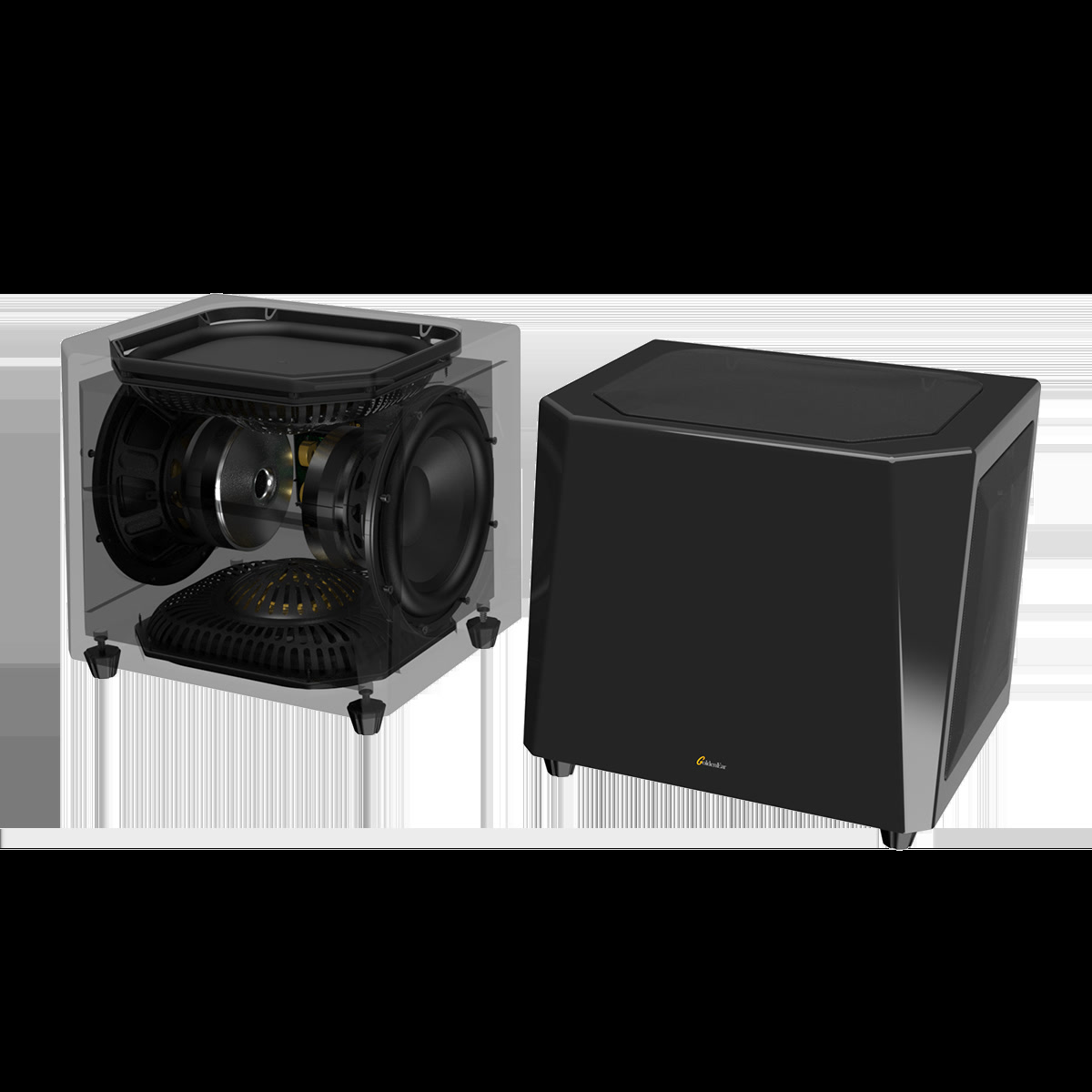
4. Dual subs beat one hero sub in awkward rooms
Two smaller, well-placed subs often smooth modes better than one monster. Great for open Florida plans where one corner owns the night. We’ll sketch placement that still passes the décor test.
5. Seal the obvious leaks (door gaps, shared walls)
Before buying more cone area, quiet the path to the neighbor: weatherstrip, rug, bookshelf density, and not parking the sub on a coupled wall. Mechanical sympathy matters.
6. High-level / stereo-friendly sub integration for music nights
REL-style high-level connections let the sub track the main amp’s character—excellent when Parasound or Bryston power is the heart of the system. Movies can still use LFE; music stays coherent.
7. Don’t let the AVR’s “night mode” be your only bass tool
Dynamic compression helps apartments at 11 p.m., but it isn’t a substitute for placement and crossover. Use it as a courtesy mode, not the calibration.
8. Calibrate with ARC (or equivalent) after placement is sane
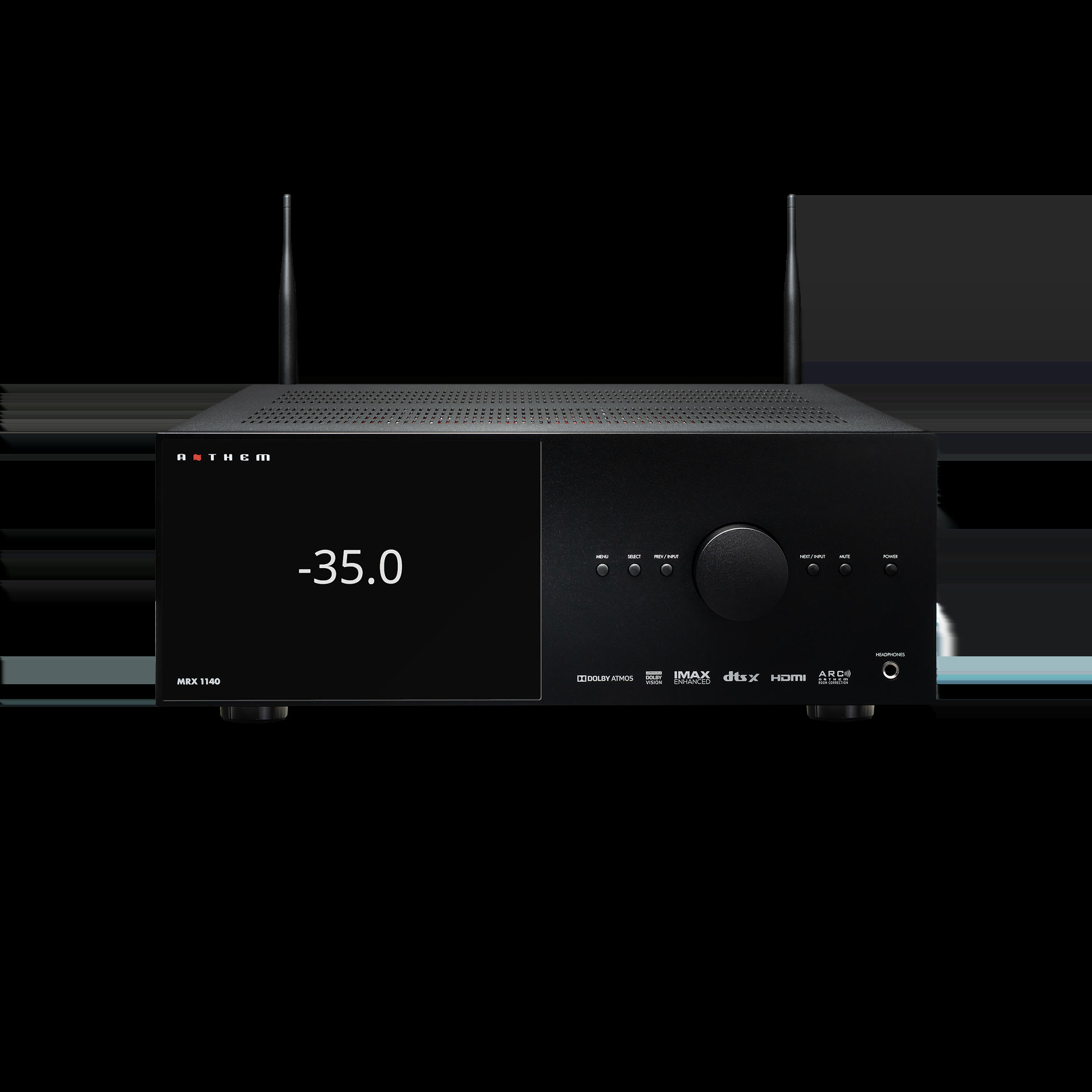
Anthem ARC shines once the sub isn’t fighting physics. We measure, look at the before/after, and avoid over-correcting into lifeless bass. Calibration is finishing school—not a Band-Aid for the wrong seat.
9. Give the front stage enough amplifier control
Loose, flabby midbass is sometimes weak amp current into the woofers—not the sub. Halo-class or Bryston power on the mains tightens the upper bass so the sub can do the deep work.
10. Know when “more sub” is the wrong upgrade
If the room booms at 40–60 Hz, another 15-inch driver can make enemies faster. Treatment, placement, dual-sub strategy, or a different cabinet alignment may be the neighbor-friendly path. We’ll say so—even if it sells less cone that day.
Spring Hill / Nature Coast notes
Lanai glass, tile floors, and open kitchens create bass that either vanishes or owns the zip code. Soft furnishings help; so does not parking the only sub against a shared condo wall. If you rent, ask us about compact sealed alignments and level caps that still feel satisfying at the couch.
HOA-friendly doesn’t mean lifeless. It means controlled: correct notes, short decay, and a night mode you trust when the house next door has early shifts.
What we’ll do on a bass-focused demo
- Play your bass-heavy references at matched levels.
- Move a demo sub through two or three placements so you hear the room’s fingerprint.
- Show crossover and phase changes in real time.
- Optionally run a quick ARC snapshot on an Anthem path.
- Decide whether one sub, two subs, or better main-speaker control is the real upgrade.
You’ll leave knowing whether to shop a sub at all—or fix integration first.
Music-first + movie-capable
Bring a synth track and a film scene to your demo. Tight means the bass guitar note is identifiable and the explosion has weight without a 10-second hangover. Eversolo sources help you trust what you’re hearing on the music side; Anthem handles the theater decode when both live in one rack.
Book a Demo · 352-819-5644 · thesmarttechpro.com
Related: Two-Channel Upgrades · Home Theater Mistakes · Demo Day Tracks